Educator Spotlight: Eley Escandell, M.A.
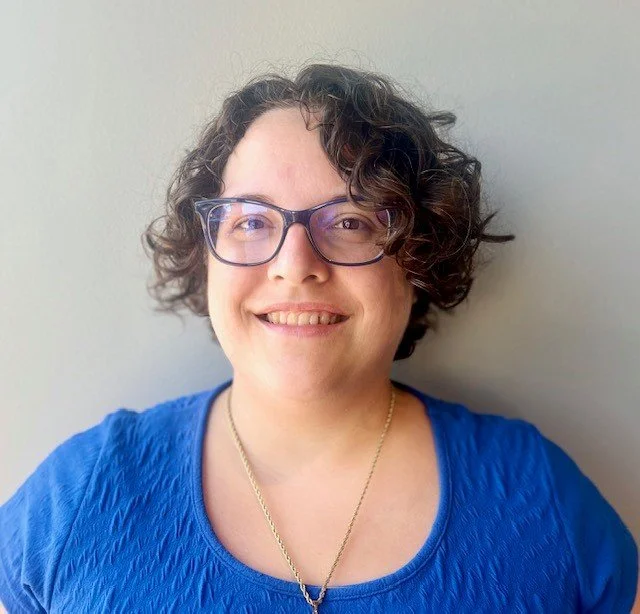
Meet Eley Escandell, M.A. (she/her), an early childhood education expert and reuse enthusiast! Eley has been an educator for 18 years and is currently a mentor for other educators in the Texas Rising Star program. She is a huge ACR fan and, through her work, encourages other early childhood educators to think outside the box and bring reuse into the classroom as a way to encourage creative play. Thank you, Eley, for being a champion for creative reuse in early childhood education! Read on to learn more about her enthusiasm for bringing process art into the classroom.
What subject(s) and grade level(s) do you teach, and how long have you been an educator?
I have been in the field of early childhood education and child care for 18 years. I have spent time as a teacher in preschool classrooms, a counselor for elementary out-of-school care, and an assessor for quality rating certification. Now, I am privileged to be on a team of mentors for early learning programs in Travis County looking to build and maintain the quality of their care through the Texas Rising Star program.
When not in the classroom, what do you like to do? Do you have any pets or family you’d like to share about?
I spend a lot of time in awe of the artistic endeavors of my niblings and other loved ones. I volunteer, play board games, and attend shows and hobby meetups.
What is your favorite material to source from ACR for personal projects, and what is a specific, recent project you used it for?
On my last trip, I took home a stack of old calendars and shiny gift wrap with some collaging projects in mind. I have a whole collection of paper punches I got from ACR. I also keep a running list of frames needed for recent art acquisitions to check every time I stop by.
What first inspired you to start using reused materials in your teaching?
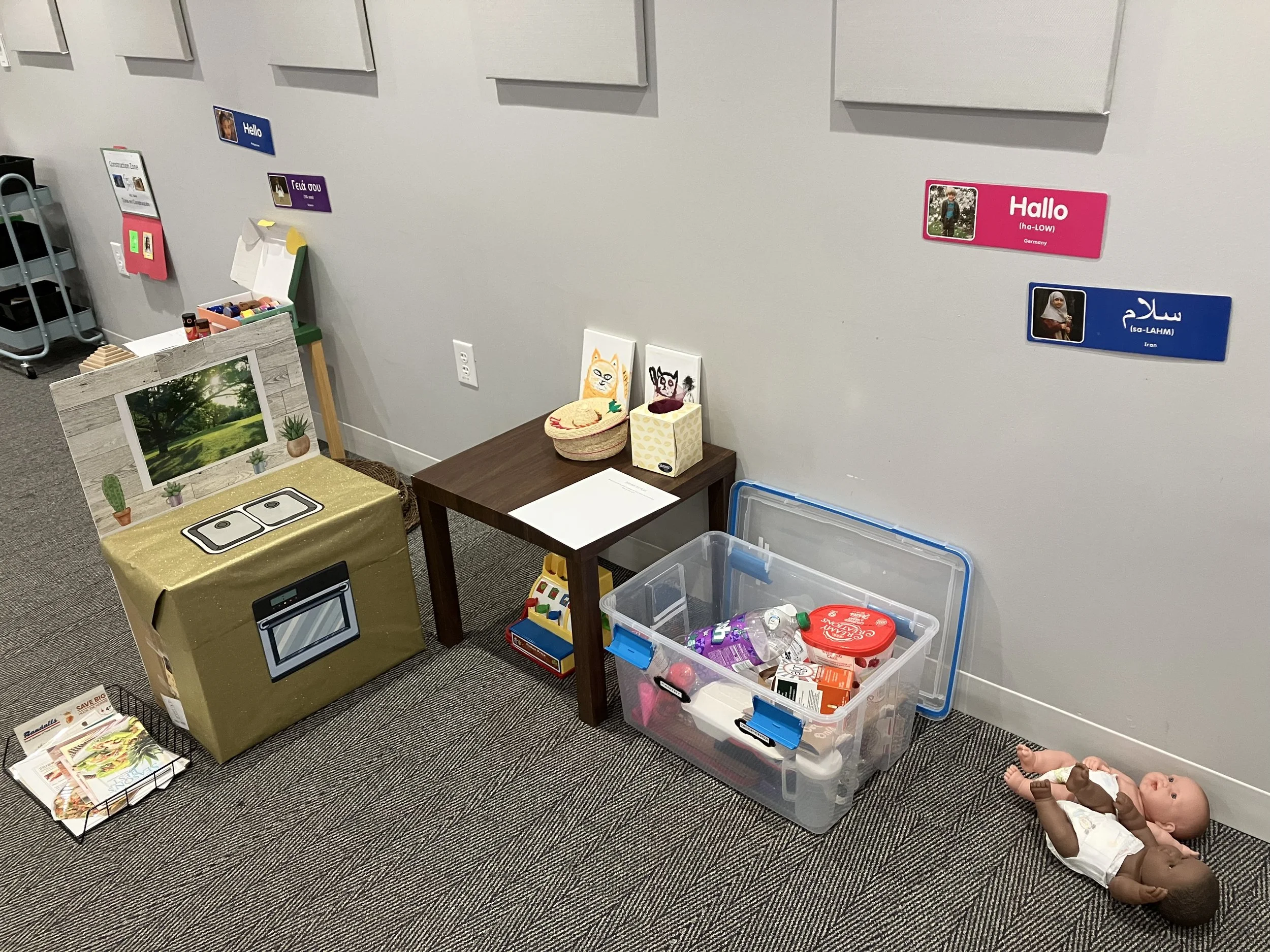
As a preschool classroom teacher, I always enjoyed mixing up the materials available to children to spark their imagination and invite them to play. Children benefit from having a variety of materials presented in a variety of ways, not just plastic toys in plastic bins. As an ECE mentor, I am delighted to spark the creativity of other teachers to bring that richness of materials and homey atmosphere to their own classrooms.
How do you incorporate upcycling or reuse materials into your classroom? Are there any second hand or reuse materials that you regularly stock?
So many! We talk a lot about “process art” as best practice in early childhood, which means I don’t necessarily have to decide how a child will use what material. But for some examples…
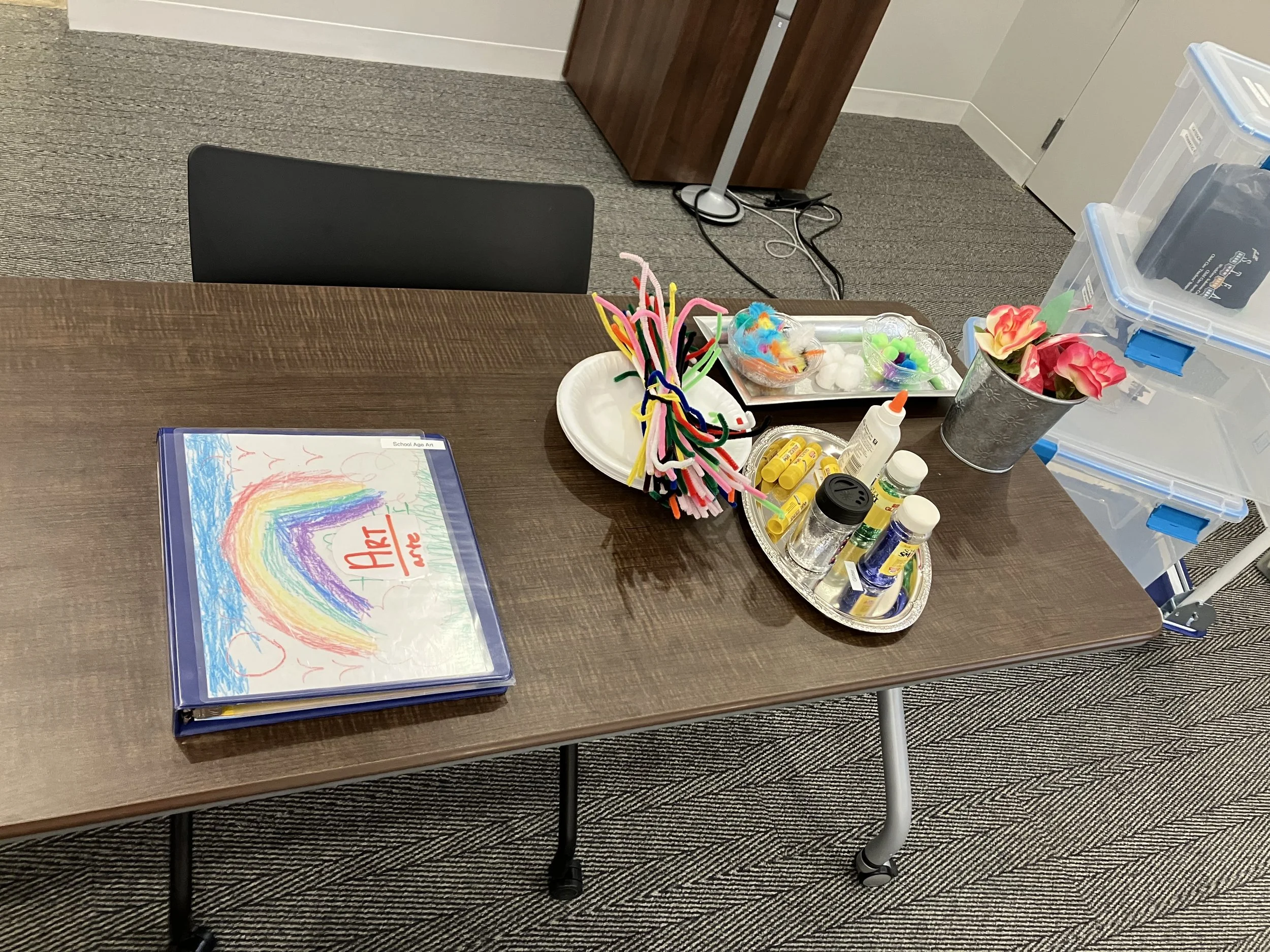
All of the standard art materials, but go big! Scrapbook paper, sand paper, wallpaper samples, yarn of various weights, fabric remnants, gift bows, washi tape, manila folders, fake flowers, hole punches - just make it available (safely) and see what they do with it!
Science and sensory items for both indoor and outdoor play, like magnifying glasses, pipettes, shells, wood scraps, carpet samples, and any other treasures one might find. I’ve even come across microscope slides and fossil kits at ACR before!
Check out the containers section at ACR to see if there is a cool wicker basket, wooden tray, or something surprising to add some visual interest to how one might present materials to children. Putting playing cards in a standard plastic storage bin is perfectly practical, but how much more fun can it be for a young child to find those cards in a latched wooden box instead?
Tell us about a lesson or project that was especially successful using reused or upcycled materials. What was the learning objective, and how did the students react to working with unique items?
I will never forget the 4-year-old who spent an entire week building a vehicle out of recyclables during a transportation learning theme. On Monday it was a car, and by Friday it was a helicopter-plane-bus-car. All she needed was a box of cardboard scraps, scissors, tape, and encouragement.
What is the biggest misconception or challenge about using reclaimed materials, and how do you address it in your practice?
When working with young children, the concern about safety is always first and foremost. Everything will need to be double checked and double washed before being given to a young child, and some materials will not be appropriate for some ages, but neither of those things have to be a barrier to bringing in reuse materials. What I would like early childhood teachers to do is think outside the box to provide their students a wider variety of experiences even if it is a little messier.
Have you benefited from any of ACR's educator programs? If so, how has that experience helped you or your students?
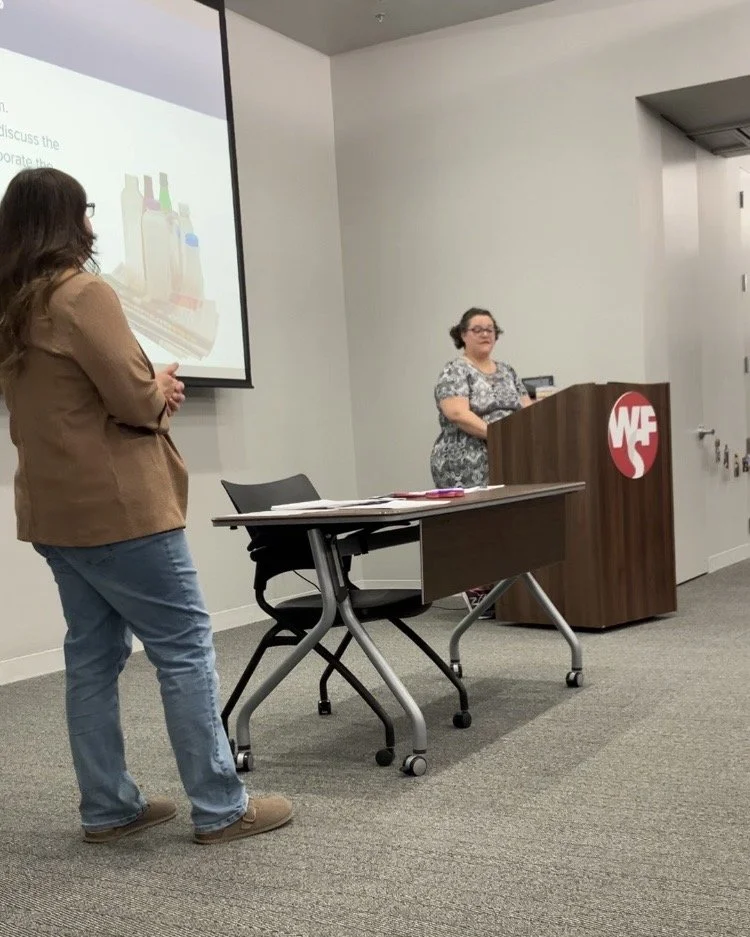
Since Autumn 2024, ACR has partnered with our mentor and training team to bring the Materials Mobile or other resources to our professional development trainings for child care practitioners. Many of the teachers and other practitioners who attend have found both unique and practical materials to support their classrooms. I have also gotten feedback from teachers I mentor about how amazing the Educator Extravaganza was for them.
Beyond the obvious art supplies, what is the most surprising or unique item you've sourced from ACR?
This is a silly little thing, but the business card holder I keep in my work backpack actually came from ACR. I love finding the random small things that prove super useful.